|
 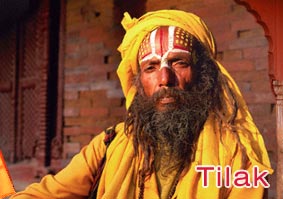 |
Significance of TilakThere are different types of Tilak, each differing in
its significance. Tilak is worn on the Ajna Chakra, the centre of
forehead, on the space between the eyebrows. Tilak is applied on the
point at which the third eye or the spiritual eye is believed to open.
All the actions of humans are governed by this specific point.
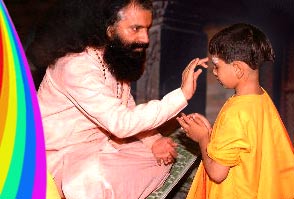
Application of tilak is customary and infact, most of the Hindu
ceremonies begin with the application of tilak. Well, Tilak can be made
by using sandal paste, turmeric, kumkum or ashes. Depending on the
purpose for which Tilak is applied, the material is chosen for preparing
the sacred forehead mark.
Tilak can be applied in varied forms as a mark of
auspiciousness as well as blessing. Numerous mentions have been made
about Tilak in the ancient scriptures such as Vedas and Upanishads. Rig
Veda has given an elaborate description about the life of Goddess Usha,
the consort of Lord Surya. She is portrayed as wearing a red dot on her
forehead that signifies the rising sun. | |||
Chyawanprash |
Gayatri Mantra |
Hookah |
Moksha |
Namaste |
Om |
Peepal Tree |
Rudraksha |
Swastik |
Tilak |
Tulsi Plant |
Karma |
Mounments: Ajanta
Ellora |
Iron Pillar |
Sarnath Lion Capital |
Taj Mahal |
Festivals: Diwali |
Durga Puja |
Kumbh Mela |
Onam |
Pongal |
Rakhi |
Cinema: Dadasaheb Phalke |
Kishore Kumar |
Mohammed Rafi |
Satyajit Ray |
Copyright © Colors of India |